Your Pain Relief Techniques Workflow for Real Results
Muscle pain and tension have a way of taking over your day. Whether it’s a stiff neck from hours at a desk, tight hips from training, or chronic lower back aches that never fully go away, the frustration compounds when random remedies don’t stick. A structured pain relief techniques workflow changes that. Instead of reaching for whatever is closest, you follow a deliberate sequence of effective pain relief methods that build on each other, match your specific pain type, and actually move you toward lasting relief.
Table of Contents
Key takeaways
| Point | Details |
|---|---|
| Build a structured workflow | A stepwise pain relief techniques workflow outperforms scattered, random remedies for muscle pain. |
| Match method to pain type | Pain relief is not one-size-fits-all; matching technique to mechanism (tension vs. inflammation) determines success. |
| Track pain with a diary | Keeping a pain diary for at least two weeks gives you the baseline data needed to adjust treatments effectively. |
| Introduce treatments one at a time | Adding techniques sequentially makes it possible to identify what actually works and catch what doesn’t. |
| Reassess every 4 to 8 weeks | Scheduling formal checkpoints keeps your pain management strategies current and effective as your body changes. |
Before you execute any workflow, you need two things: a clear picture of your pain and the right tools to address it. Skipping this step is why most people cycle through remedies without progress.
Understanding your pain type
Muscle pain generally falls into two broad categories. Tension-type pain comes from sustained contraction, poor posture, or overuse. Inflammatory pain signals tissue damage or an immune response, often presenting with swelling, warmth, or redness. The distinction matters because the two types respond differently to treatment. Heat works for chronic muscle tension; ice is for acute inflammation. Applying the wrong one can slow your recovery or make symptoms worse.
Start by noting where your pain is, when it appears, and what makes it better or worse. A pain diary kept consistently for at least two weeks gives you enough data to see patterns, not just isolated bad days.
Assembling your toolkit
A practical pain relief toolkit for muscle tension and recovery covers three categories:
- Physical tools: A deep tissue massage tool (such as a non-motorized pressure board with interchangeable attachments), a foam roller, resistance bands for therapeutic exercise, and a reliable heating pad or cold pack.
- Topical products: Magnesium cream, topical NSAIDs such as diclofenac gel, and menthol-based cooling rubs. Each targets pain through a different mechanism, so having options matters.
- Lifestyle supports: A pain tracking journal or app, a timer for therapy sessions, and comfortable workout attire for mobility work.
Pro Tip: Talk to your physical therapist or physician before combining multiple topical products. Some ingredients interact, and layering them without guidance can cause skin irritation or reduce effectiveness.
| Tool category | Examples | Primary use |
|---|---|---|
| Physical therapy tools | Pressure board, foam roller, resistance bands | Targeted muscle release and movement retraining |
| Topical treatments | Magnesium cream, diclofenac gel, menthol rub | Local pain modulation and inflammation control |
| Temperature therapy | Heating pad, ice pack, contrast therapy | Acute swelling reduction or chronic tension relief |
| Lifestyle supports | Pain diary, timer, mobility clothing | Tracking, session management, and exercise readiness |
Executing your multimodal pain relief workflow
This is where your preparation pays off. The sequence below reflects how multimodal pain management strategies reduce outcomes risk by combining pharmacological and non-pharmacological approaches in a coordinated way. For muscle pain specifically, that means layering physical, topical, and behavioral techniques in a logical order.
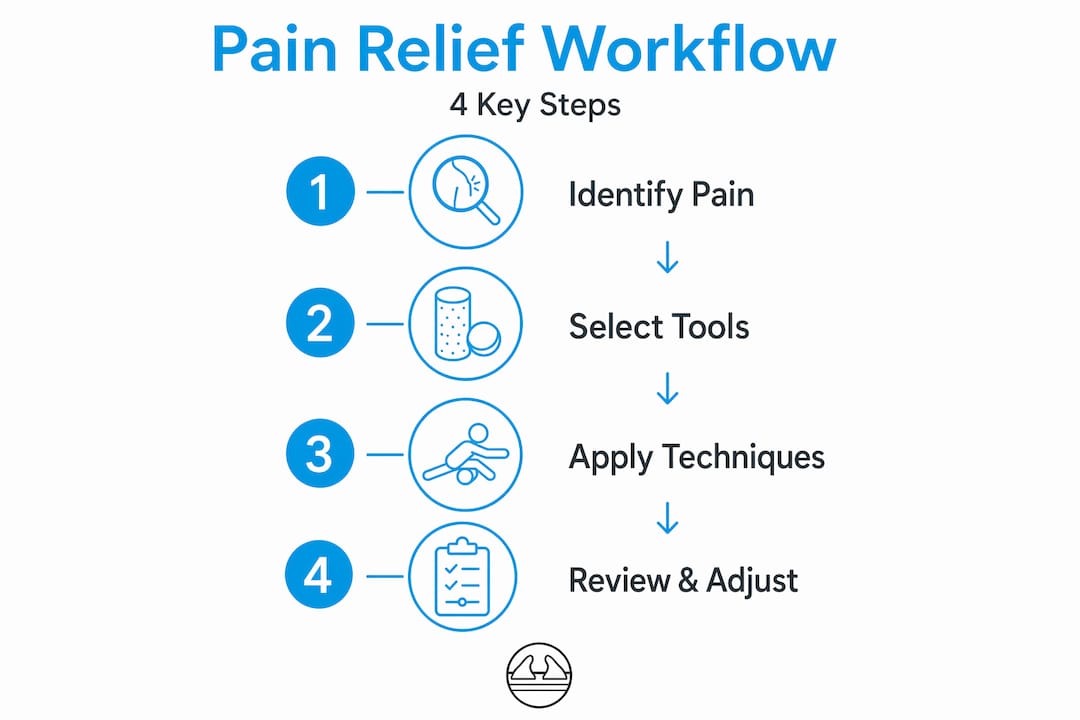
Document your pain. Before any treatment, write in your pain diary. Rate intensity on a 0 to 10 scale, note location, and record any known triggers from the past 24 hours. This takes under two minutes and creates the data trail you need for evaluating progress later.
Apply topical treatment. Match the product to your pain type. For tension and chronic tightness, apply magnesium cream to the affected area and let it absorb for 10 minutes. Research shows that topical magnesium with heat relaxes muscles through complementary mechanisms, so combining these two steps is intentional.
Use heat or cold therapy. For chronic muscle spasms, apply heat for 20 to 30 minutes every two hours. For acute injuries within the first 72 hours, use ice for 15 to 20 minutes per session every hour. Never apply ice directly to skin, and never use heat on a fresh injury with swelling.
Perform targeted physical therapy exercises. This is where movement patterns get retrained. Complete two to three exercises specific to the affected muscle group, such as hip flexor stretches for low back pain or thoracic rotations for upper back tension. Keep movements slow and controlled. For practical stretching protocols, the Thrival blog on how stretching relieves tension offers solid, evidence-backed guidance.
Use a deep tissue pressure tool. With muscles warmed and loosened, apply targeted pressure using your massage tool. Spend 60 to 90 seconds on each tight spot, breathing steadily, and allow the pressure to release naturally rather than forcing it.
Close with mindfulness or breathwork. Spend five minutes in a body scan or diaphragmatic breathing exercise. Psychological approaches like mindfulness neurologically reshape pain perception, which matters particularly for chronic sufferers.
Rest and pace. Build in at least 90 minutes before repeating intensive therapy on the same area. Overworking tight tissue before it recovers prolongs recovery time rather than shortening it.
Pro Tip: Introduce one new technique at a time. Simultaneous treatment introduction makes it nearly impossible to identify what is working or causing side effects.
| Technique | Chronic tension | Acute injury |
|---|---|---|
| Heat therapy | Recommended (20 to 30 min) | Avoid |
| Cold therapy | Use selectively post-exercise | Recommended (15 to 20 min) |
| Deep tissue pressure | After warmup | Avoid acutely |
| Topical magnesium | Yes, pair with heat | Use with caution |
| Stretching | Core component | Gentle range only |
Troubleshooting your workflow
Even a well-designed plan runs into problems. Knowing the most common mistakes and how to correct them keeps you from losing weeks of progress.
Heat versus cold errors
This is the most frequent and most consequential mistake in any pain relief solutions workflow. Heat on acute injuries increases blood flow and inflammation, which makes swelling worse. Ice on chronic muscle guarding tightens the tissue further instead of releasing it. The rule is simple: acute (within 48 to 72 hours) gets cold, chronic gets heat. When in doubt, choose cold for the first session, then reassess.
Flare-up management
Flare-ups are normal. They are not a sign your workflow failed. When pain spikes beyond your baseline:
- Reduce exercise intensity immediately. Do not push through sharp pain.
- Switch to cold therapy temporarily, even for chronic conditions, to control the inflammatory response.
- Use your pain diary to record what changed in the 24 to 48 hours before the flare-up. Triggers like sleep disruption, stress, or increased activity often precede spikes.
- Return to your full workflow only after two consecutive pain-stable days.
Flare-ups that persist beyond five to seven days, or pain that worsens despite treatment, warrant a professional evaluation. Do not adjust medications or add new interventions during an unresolved flare-up.
Pro Tip: Set a recurring weekly reminder to review your pain diary. Most people only look at it during bad days, which skews their perception of progress and makes it harder to spot real improvement.
Maintaining your pain diary consistently is one of the hardest parts of any long-term pain management strategy. The solution is to make it automatic, not optional. Tie your entry to a fixed daily anchor, like morning coffee or your evening wind-down, so it becomes part of your routine rather than an extra task.
Evaluating effectiveness and adjusting over time
A pain relief techniques workflow is not static. It needs regular review to stay relevant. Formal care team checkpoints every four to eight weeks are the standard for evaluating multimodal plans, and you should build your own version of that into your routine.
What to measure
Effective evaluation goes beyond pain scores. Track these indicators:
- Pain intensity (average rating across the week, not just bad days)
- Functional milestones such as range of motion, activity tolerance, or time before discomfort appears
- Sleep quality, since pain disrupts sleep and sleep disrupts recovery
- Medication or topical product use frequency, which signals whether non-pharmaceutical approaches are reducing reliance on chemical interventions
How to adjust your plan
| Evaluation outcome | Suggested modification |
|---|---|
| Pain improving, function stable | Continue current plan; consider adding one new technique |
| Pain stable, function improving | Focus on functional goals; reduce therapy session frequency |
| Pain worsening despite consistency | Consult a physical therapist; consider removing the most recent addition |
| Flare-ups increasing | Check for lifestyle triggers; review pacing and rest periods |
| No change after 8 weeks | Seek professional reassessment; workflow may need structural revision |
Building in flexibility is not optional. The research on neuroplastic pain pathways confirms that physical therapy modulates how the brain processes pain signals over time, which means the techniques that help you most may shift as your nervous system adapts. Staying rigid with your original plan when your body has changed is its own form of mistake.
For those dealing with chronic pain cycles specifically, Pain Reprocessing Therapy is worth exploring with a trained clinician. It targets the brain’s sensitization response directly, which can break cycles that physical techniques alone don’t fully resolve.
What I’ve learned managing muscle pain with a real workflow
I’ve seen a lot of people come to structured pain management after years of trying isolated fixes. One session of massage. A week of stretching. An ice pack when it gets bad. None of it held because none of it was connected to a system.
The pattern I keep seeing is this: people underestimate preparation and overestimate execution. They want to skip straight to technique without understanding what kind of pain they have. That mismatch is why heat makes some people worse and why certain stretches aggravate rather than relieve.
The clients who make the most progress are the ones who treat their pain diary like a clinical tool, not a journal. They log consistently, they notice patterns, and they bring that data to every adjustment they make. That habit alone separates people who see lasting improvement from those who stay stuck.
My practical advice: start with one technique before adding another. It sounds slow, but it’s actually faster because you are not spending weeks trying to untangle what’s working from what’s not. Targeted muscle therapy combined with a real tracking habit is more effective than any collection of random remedies.
Persistence matters. Holistic pain relief approaches take weeks to show their full effect. Give each change in your workflow at least two weeks before deciding it isn’t working.
— Cameron
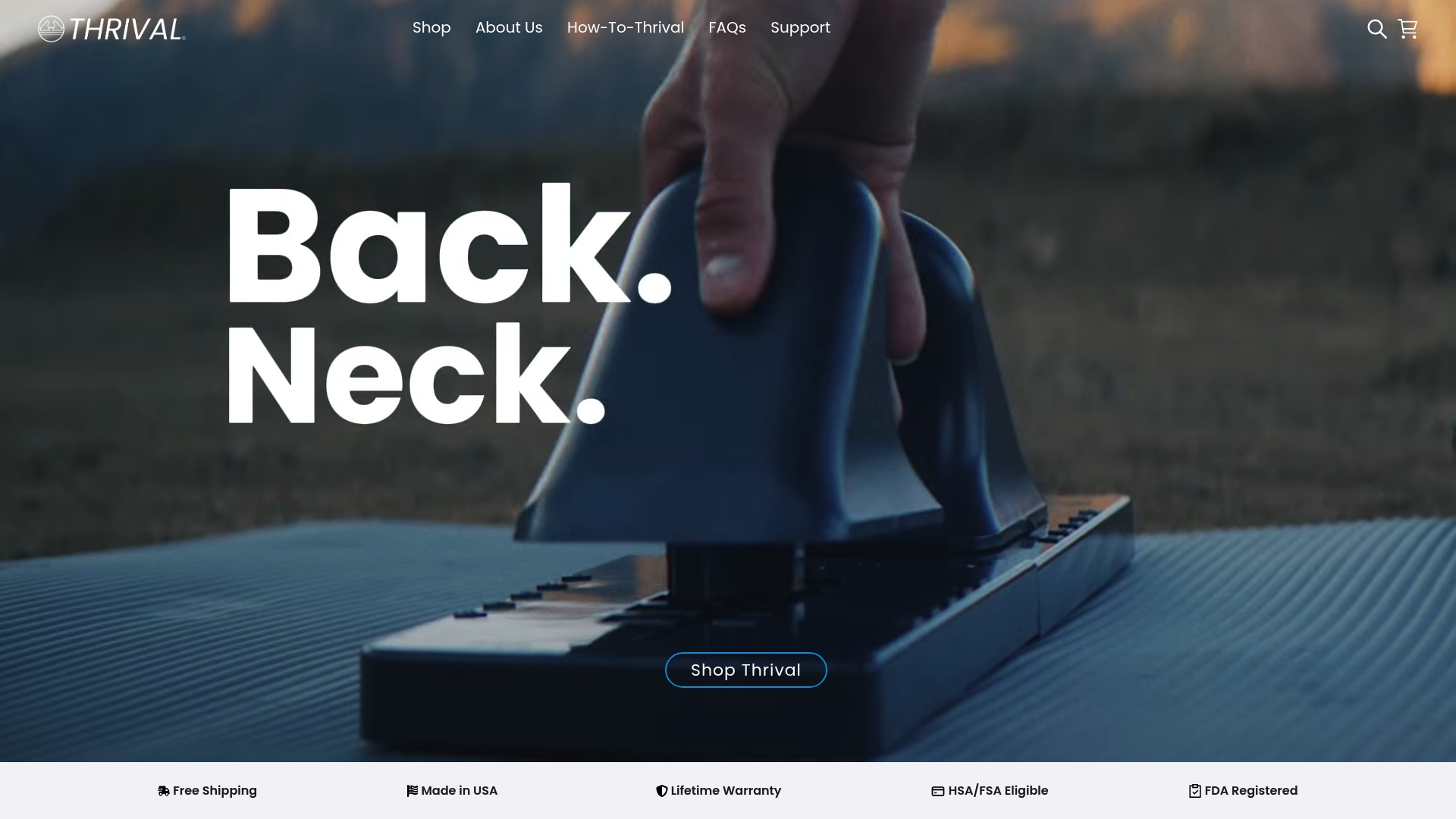
Once your workflow is set, having the right physical tool makes the manual therapy component significantly more effective. The Thrival Deep Tissue Pro is a non-motorized pressure board built for exactly this kind of structured recovery. It accepts four interchangeable attachments: the Wave, Bullseye, Arch, and Ballhead, each designed to target different muscle groups and pressure depths. That means your back, hips, neck, and shoulders all get precise, customizable attention without needing multiple separate devices.
Thrival tools are FDA registered, US-manufactured, and backed by a lifetime warranty. They pair with an instructional app that walks you through routines step by step, making it easy to integrate deep tissue work into your existing workflow at home or on the go. Free shipping is included, and the system is built to last.
FAQ
What is a pain relief techniques workflow?
A pain relief techniques workflow is a structured, sequential approach to managing muscle pain that combines multiple methods, such as heat therapy, topical treatments, physical exercises, and mindfulness, applied in a specific order for maximum effect.
How long should I keep a pain diary before adjusting my plan?
Maintaining a pain diary for at least two weeks gives you enough baseline data to identify pain triggers and patterns before making targeted adjustments to your workflow.
When should I use heat versus cold for muscle pain?
Use cold therapy for acute injuries within the first 48 to 72 hours to reduce swelling. Apply heat for chronic muscle tension and spasms, following the guideline of 20 to 30 minutes every two hours for best results.
How often should I formally evaluate my pain management plan?
Schedule a review of your plan every four to eight weeks. This gives treatments enough time to show results while catching ineffective approaches before they waste more of your time.
Can mindfulness actually reduce physical muscle pain?
Yes. Mindfulness and related psychological approaches can neurologically reshape how your brain processes pain signals, offering real reduction in pain perception alongside physical techniques in a complete holistic pain relief approach.
Recommended
source http://www.expertclick.com/NewsRelease/Your-Pain-Relief-Techniques-Workflow-for-Real-Results,2026314830.aspx


Comments
Post a Comment