The Role of Recovery Tools for Athletes: A Practical Guide
Recovery tools are everywhere now. Foam rollers, massage guns, compression boots, cold plunge tubs. Athletes at every level are investing in them, yet many still don’t fully understand what these tools actually do inside the body. The role of recovery tools for athletes is not to replace sleep, nutrition, or smart training. It’s to accelerate and support the processes your body is already running. Get that distinction right, and recovery tools become genuinely useful. Get it wrong, and you’re spending money on gear that sits in the corner of your gym bag.
Table of Contents
Key Takeaways
| Point | Details |
|---|---|
| Tools supplement, not replace | Recovery tools work best alongside quality sleep, nutrition, and training periodization. |
| Physiological mechanisms are real | Foam rolling, massage, and contrast therapy produce measurable changes in blood flow and soreness. |
| Timing affects outcomes | Avoid cold immersion immediately after hypertrophy sessions to protect muscle growth adaptations. |
| Data-driven recovery reduces injury | Wearable tech integrated with subjective feedback can cut injury rates significantly. |
| Personalized selection matters | Matching the right tool to the right muscle group and timing maximizes your results. |
Recovery tools are not magic. They produce real, measurable physiological effects, but only when you understand what each one is actually doing.
Foam rolling and massage ball work
Self-myofascial release through foam rolling targets the fascia, the connective tissue wrapping your muscles. Two 45-second sets per muscle group significantly increases femoral artery blood flow velocity and volume, which helps clear metabolic waste like lactate and hydrogen ions from the tissue. That’s not a minor effect. Faster waste clearance means you recover your contractile strength sooner. Massage balls, including tools that replicate the classic lacrosse ball effect, add the benefit of precision. You can target a tight spot in the glute or the tissue alongside the thoracic spine that a roller never quite reaches.
Massage and percussion tools
Massage ranks highest among recovery methods for reducing delayed onset muscle soreness, outperforming compression garments, active recovery, immersion, and cryotherapy in head-to-head comparisons. Percussion devices deliver rapid, targeted pressure pulses that relax muscle spindles, improve local circulation, and reduce perceived tightness within minutes. They are particularly effective on large muscle groups like the quadriceps, hamstrings, and upper back where blood pooling after intense training is most pronounced.
Contrast therapy and cold immersion
The combination of heat and cold does more than just feel intense. Contrast therapy improves recovery by 25% compared to passive rest, based on clinical data measuring strength recovery speed. Cold immersion also triggers a norepinephrine release that boosts focus and mood for several hours after therapy, giving you a neurochemical benefit that goes beyond sore muscle relief. Cold water immersion consistently reduces DOMS, supporting the training consistency that compounds over a full season.
Here’s a quick breakdown of how the main tool categories work:
| Tool | Primary mechanism | Best application |
|---|---|---|
| Foam roller / massage ball | Increases blood flow, breaks up fascial adhesions | Post-training, pre-mobility work |
| Percussion device | Relaxes muscle spindles, improves local circulation | Immediate post-training, warm-up activation |
| Compression boots / sleeves | Enhances venous return, reduces swelling | Recovery days, long-haul travel |
| Cold immersion | Reduces inflammation, triggers norepinephrine | 4-6 hours post-hypertrophy training |
| Contrast therapy (heat + cold) | Accelerates strength recovery by 25% | Competition blocks, high-training-load weeks |
Pro Tip: Use foam rolling before static stretching, not after. Rolling first increases tissue pliability, which means your stretches will produce a greater range of motion gain.
Here’s the part most athletes skip. Recovery tools do not work in isolation. Sleep deprivation raises cortisol and inhibits muscle protein synthesis, which means a 20-minute foam roll cannot compensate for six hours of sleep. Seven hours is the floor for maintaining hormonal health. Eight to nine hours is where the real repair happens.
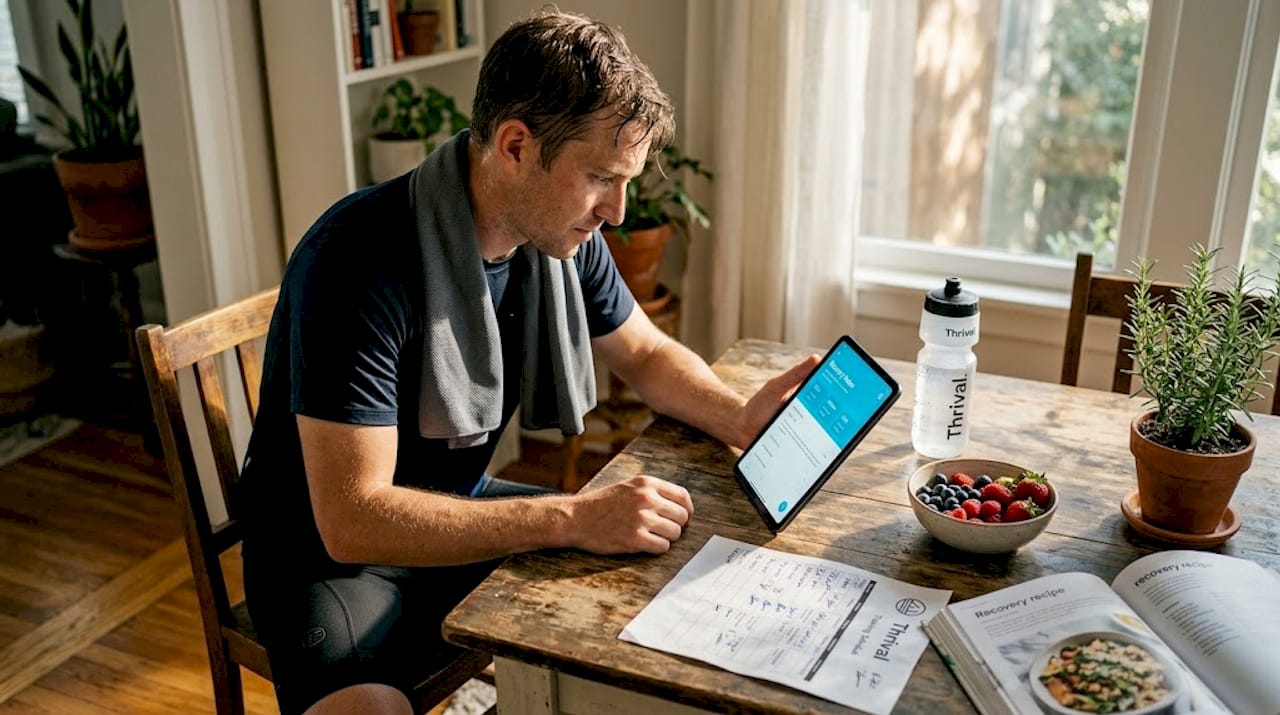
Nutrition follows the same logic. Your muscles need amino acids, carbohydrates, and hydration to rebuild after training. During injury or heavy training blocks, amino acids are directed preferentially to the site of greatest damage. That can leave adjacent muscle groups at risk of atrophy if your dietary intake isn’t covering the demand. For athletes in extended recovery phases, supplementing essential amino acids for four to six weeks supports whole-body protein balance.
The foundational pillars of recovery look like this:
- Sleep: 7 to 9 hours per night for hormonal regulation and protein synthesis
- Nutrition: Adequate protein (1.6 to 2.2g per kg of bodyweight), carbohydrates for glycogen replenishment, and consistent hydration
- Active recovery: Low-intensity movement that reduces muscle stiffness better than passive rest and reinforces correct movement patterns
- Training periodization: Structured variation in training load to prevent accumulated fatigue from becoming injury
- Recovery tools: Targeted interventions that enhance circulation, reduce soreness, and support tissue quality
“Recovery tools are supplements to foundational health behaviors, not replacements. Sleep, nutrition, and training periodization remain primary.” — Barbour Orthopaedic Specialists
Active recovery deserves special attention here. Light walking, swimming, yoga, and movement drills keep circulation active without adding training stress. This kind of movement-based recovery also teaches your nervous system to self-correct patterns that would otherwise lead to overuse injuries over time.
Pro Tip: Schedule at least two dedicated active recovery days per week during high-load training blocks. These days prevent stiffness accumulation and reduce the compensation patterns that cause soft tissue injuries.
Knowing which tools exist is the easy part. Knowing how to use them, and when, is where most athletes lose the benefit.
Here’s a practical sequence for integrating the most common tools:
Foam roller or massage ball (5 to 10 minutes post-training): Target the major muscle groups used in that session. Apply steady pressure to tight spots for 30 to 45 seconds before rolling. This clears metabolic byproducts and reduces next-day stiffness.
Percussion device (5 to 15 minutes post-training or on recovery days): Use on large muscle groups at moderate speed settings. Avoid bony areas and the spine. For muscle release therapy, work each area for 60 to 90 seconds, moving slowly across the muscle belly.
Compression boots or sleeves (20 to 30 minutes on recovery days): These work best after high-volume leg training or competition travel. They move blood and lymphatic fluid centrally, reducing swelling and fatigue in the lower limbs.
Cold immersion (10 to 15 minutes, 4 to 6 hours after hypertrophy training): This is the most important timing rule in recovery tool use. Cold immersion immediately after hypertrophy training blunts muscle growth adaptations. Waiting 4 to 6 hours preserves the anabolic response while still delivering the soreness reduction benefits.
Contrast therapy (sauna followed by cold plunge, 10 to 15 minutes each): Use this protocol during competition periods or after especially demanding training weeks. It accelerates strength recovery and provides the neurochemical lift that keeps motivation high during grinding training blocks.
Pro Tip: The biggest mistake athletes make with recovery tools is using them too aggressively on inflamed tissue. If an area is acutely painful or swollen, ice and rest come first. Tools like foam rollers and massage devices are for reducing residual soreness and improving circulation, not treating acute injury.
Body-area matching matters too. Targeted tools for specific regions, including spinal decompression tools for the back, precision attachment tools for the hips and glutes, and arch-specific tools for the feet, deliver more effective relief than one-size-fits-all approaches. The more precisely you can target a muscle group, the more efficient your recovery session becomes.
Data-driven recovery and emerging technology
The most sophisticated athletes aren’t just using better tools. They’re using better information. Wearable devices now track sleep quality, heart rate variability, resting heart rate, and training load in real time. That data tells you something critical: whether your body is ready to train hard today or whether it needs a lighter load to continue adapting.
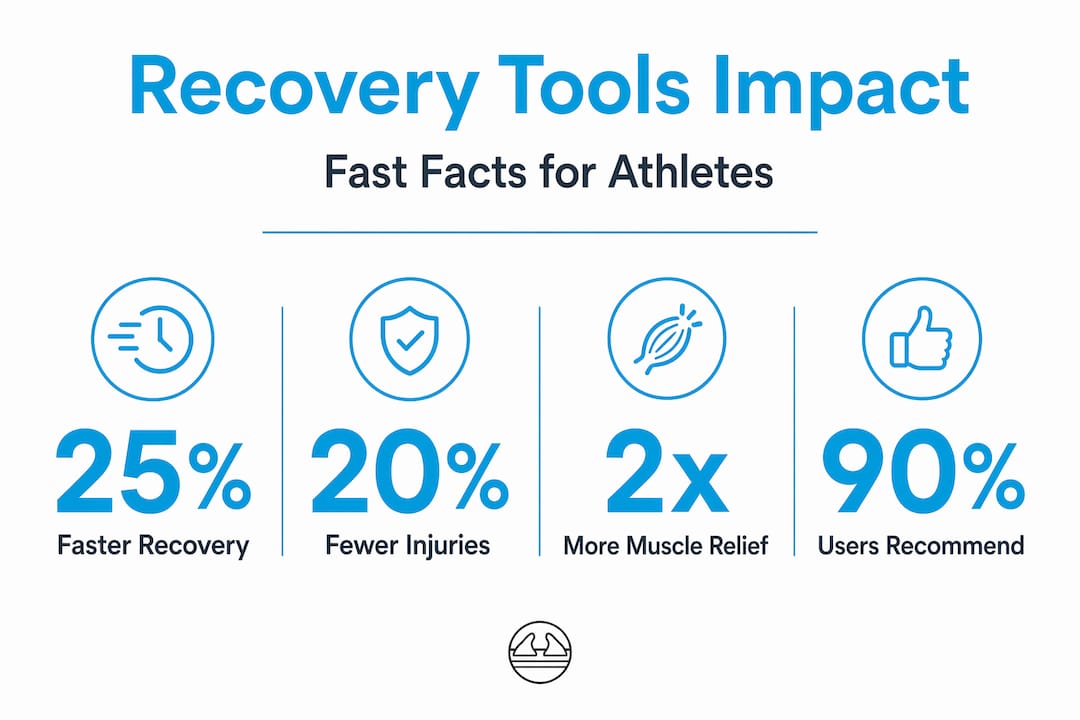
Wearable-based load management systems reduce injury rates by 20% in professional and collegiate programs. That’s not a marginal gain. At the elite level, where margins between athletes are thin, staying healthy through a full season often matters more than any single performance peak.
The real value of wearables comes from combining objective data with subjective feedback. How you feel matters. A high heart rate variability score alongside self-reported fatigue and soreness tells a more complete story than either data point alone. Athletes integrating real-time wearable data can adjust training volume dynamically rather than following a rigid schedule that doesn’t account for how their body is responding.
The shift this creates is significant:
- From fixed schedules to adaptive planning: Training intensity adjusts daily based on recovery velocity, not just what’s written in the program
- From reactive to preventive: Athletes catch the early signs of fatigue accumulation before it becomes injury
- From guessing to measuring: Recovery tool effectiveness can be tracked through biometric data, helping you identify what actually moves the needle for your body specifically
The next generation of recovery technology will likely integrate these data streams with recovery tool protocols directly, creating personalized recovery prescriptions rather than generic recommendations. That future isn’t far off. For now, combining a wearable device with consistent use of targeted recovery tools puts you well ahead of athletes relying on instinct alone.
I’ve watched a lot of athletes spend serious money on recovery gear and get mediocre results. Not because the tools don’t work. They do. The problem is almost always the same: the tools become the focus when they should be the support.
I’ve seen endurance athletes who sleep five hours a night, eat inconsistently, and then spend 45 minutes on a percussion device wondering why they’re chronically tight and fatigued. The device isn’t failing them. Their fundamentals are. Recovery tools amplify a strong foundation. They don’t create one.
What I’ve learned from watching both recreational athletes and professionals is that the people who get the most from their recovery gear are also the ones who are meticulous about sleep, consistent with nutrition, and honest about training load. The tools just sharpen an already solid process.
The other thing I’d push back on: more is not better. Athletes sometimes over-mobilize, over-roll, and over-compress in a way that actually desensitizes tissue feedback rather than improving it. Three targeted, well-timed recovery sessions per week with the right tools beats daily random use of five different gadgets.
Build your foundation first. Then use your tools with precision. That combination is where genuine performance improvements come from.
— Cameron
If you’ve been managing muscle tightness or soreness with generic tools, there’s a meaningful difference when you switch to something designed specifically for targeted relief. Thrival builds its recovery system around precision. The base board accepts interchangeable attachments, including the Thrival Wave, Bullseye, Arch, and Ballhead, each designed to address specific muscle groups from the back and hips to the neck and shoulders.
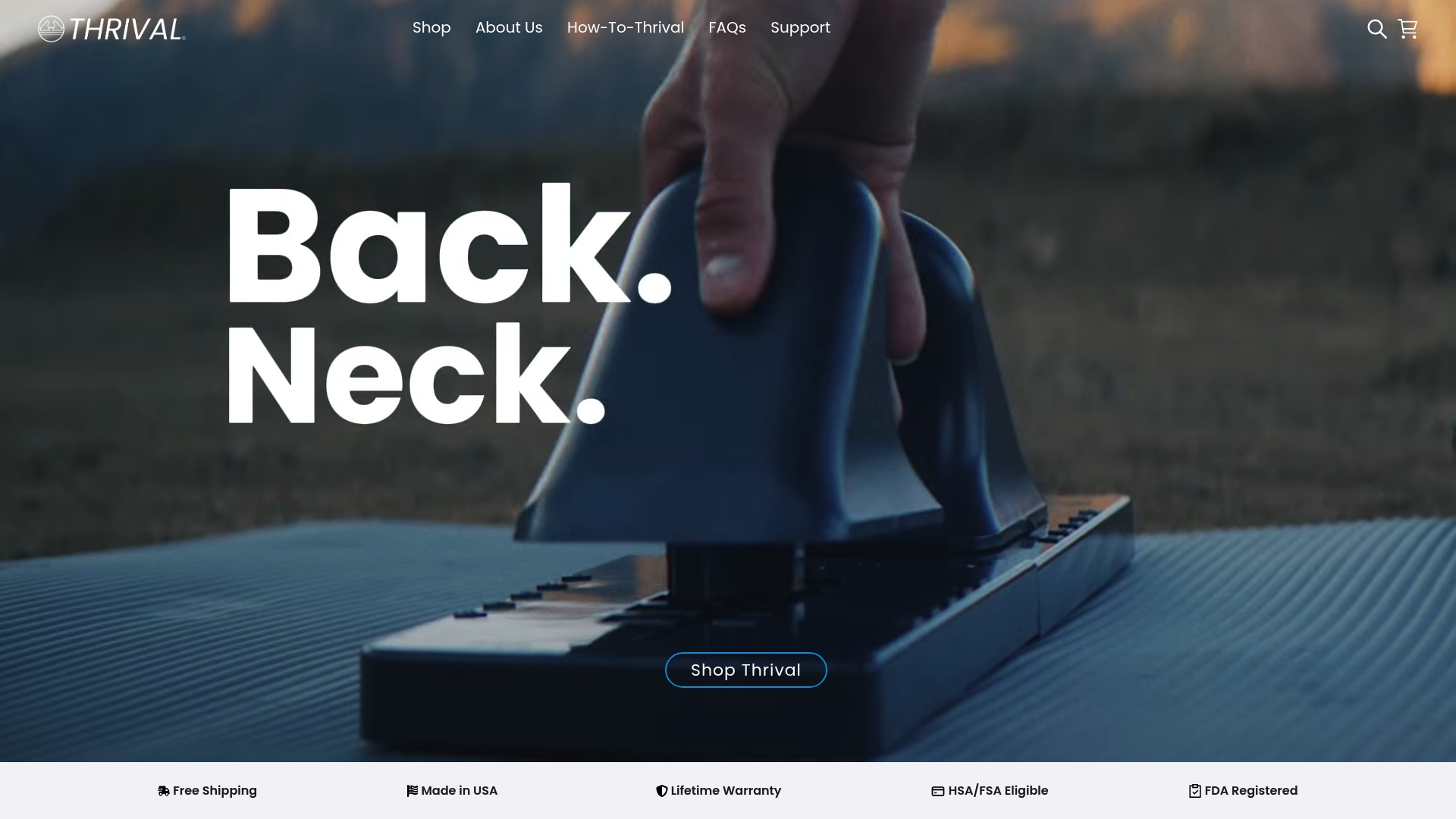
The Thrival Deep Tissue Pro is the core of this system, manufactured in the US, FDA-registered, and built for athletes who need professional-grade performance without the bulk of motorized equipment. Every attachment is purpose-built to reach the specific tight spots that general tools miss. The system comes with a dedicated app and guided routines to take the guesswork out of your recovery sessions. Free shipping, a lifetime warranty, and professional athlete endorsements back every product. If you’re ready to match your recovery investment with tools that actually deliver, Thrival is the place to start.
FAQ
What does recovery tools actually do for athletes?
Recovery tools improve blood circulation, reduce delayed onset muscle soreness, and support tissue quality between training sessions. They accelerate the body’s natural repair processes but work best alongside sleep and nutrition.
How do recovery tools help prevent injury?
By reducing muscle stiffness, improving circulation, and maintaining tissue mobility, recovery tools lower the cumulative stress that leads to overuse injuries. Wearable-based load management combined with recovery tools reduces injury rates by 20% in structured athletic programs.
When should you avoid cold immersion after training?
Avoid cold immersion immediately after hypertrophy-focused training. Waiting 4 to 6 hours preserves the muscle growth response while still delivering the soreness reduction and neurochemical benefits of cold therapy.
Are recovery tools a substitute for sleep and nutrition?
No. Recovery tools supplement foundational practices. Less than 7 hours of sleep raises cortisol and inhibits protein synthesis, effects that no recovery tool can offset on its own.
Which recovery tool is most effective for reducing muscle soreness?
Massage, whether from a percussion device or hands-on therapy, consistently ranks highest for reducing muscle soreness compared to compression, active recovery, immersion, and cryotherapy used in isolation.
Recommended
source http://www.expertclick.com/NewsRelease/The-Role-of-Recovery-Tools-for-Athletes-A-Practical-Guide,2026314925.aspx


Comments
Post a Comment